5 Questions Every CISO Should Ask About Pre-attack Prevention
This is a div block with a Webflow interaction that will be triggered when the heading is in the view.

5 Questions Every CISO Should Ask About Pre-Attack Prevention
Why It Matters
AI has transformed how attacks are built, and how defense must respond.
Attack setup and execution now unfold in parallel, compressing the window between exposure and exploitation to minutes. Traditional detection tools, built for a slower era, simply can’t keep up.
Pre-Attack Prevention introduces a new model for the AI age: it disrupts the adversary’s momentum by detecting, validating, and dismantling infrastructure during setup, before it can ever be used.
Those questions only help if the program can see preparation through Pre-Attack Intelligence.
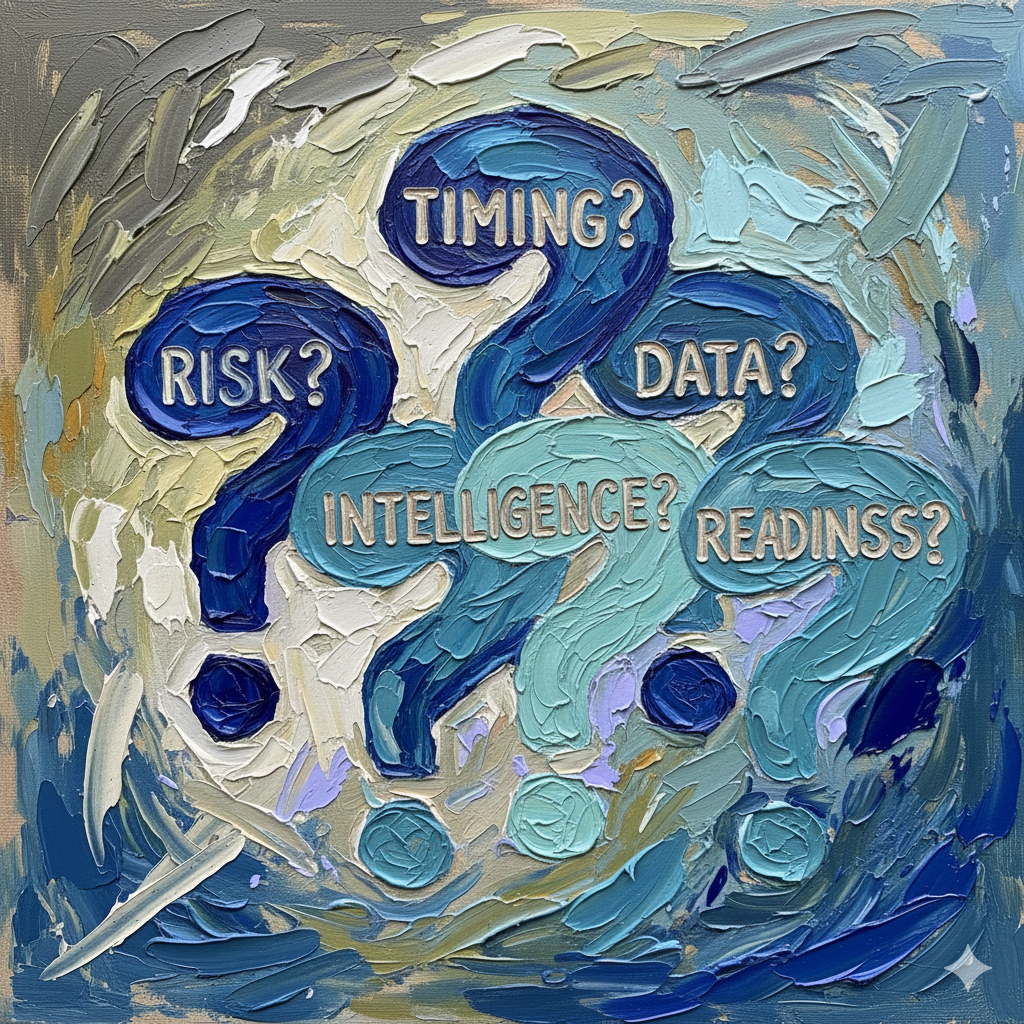
- Are we seeing intent before impact?
- Do our defenses detect Indicators of Pre-Attack (IoPAs) such as malicious domain registrations, hosting activity, or cloned assets, while the attacker is still setting up?
- Or are we still relying on Indicators of Compromise (IoCs) that surface only after execution begins?
- Can we find and dismantle the infrastructure attackers build against us?
- Are we continuously monitoring for adversary infrastructure tied to our brand, partners, or assets?
- Do we have the capability to validate and dismantle it before it becomes operational?
- Are we defending at (ai) attackers speed?
- AI-driven attackers operate in seconds.
What is our Mean Time to Preempt (MTTP), how quickly can we identify and neutralize a threat before activation? - Are we using automation and correlation to act at machine time, not human time?
- AI-driven attackers operate in seconds.
- Are we turning signals into predictive intelligence?
- Do we distinguish between noise and true adversary intent fast enough to take pre-emptive action?
- Do we own a pre-attack response plan, or just incident response?
- Who in our organization owns pre-attack prevention: SOC, threat intel, or a dedicated readiness function?
- Do we have clear playbooks for takedowns, domain suspensions, and early interdiction actions before an attack launches?
The Takeaway
In the AI era, prevention doesn’t start after compromise-it starts at intent.
The defenders who quantify avoided risk, shorten MTTP, and dismantle infrastructure before use will own the next generation of readiness.